Natural Extremity Node
Mount Fuji Journey
Mount Fuji, Shizuoka, Japan
Legendary · held by 160 collectors
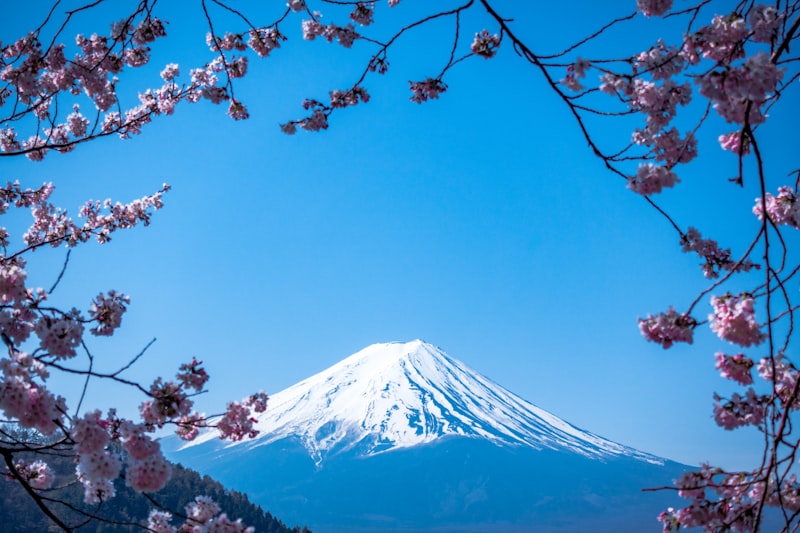
Mount Fuji — a stratovolcano on Honshu's Shizuoka/Yamanashi border, rising 3,776 metres as Japan's highest peak and most universally recognised geographic symbol — has been the destination of Japanese pilgrimage since the 7th century, when the ascent was a sacred act performed exclusively by Buddhist monks, and has accumulated 1,300 years of religious, artistic, and cultural significance whose weight distinguishes it from any purely geological landmark: Katsushika Hokusai's Thirty-six Views of Mount Fuji (1831) constitutes the most reproduced sequence in Japanese visual art, and the mountain's near-perfect volcanic cone geometry — the circular summit crater at 3,776 metres above a perfectly symmetric cone — has made it the most painted, photographed, and artistically interpreted natural feature in Japan. The contemporary ascent experience — the official climbing season runs from early July to mid-September, during which the Yoshida, Subashiri, Gotemba, and Fujinomiya trails are maintained, staffed with mountain huts, and accessible to non-technical climbers — attracts approximately 200,000 climbers annually, and the summit's specific experiential reward (the goraiko — the dawn viewed from the summit crater rim, the complete 360° panorama above the cloud line, the volcanic landscape of the crater itself) is available only to those who complete the 6–8-hour ascent. As a Natural Extremity Node, Mount Fuji Journey maps the class of peaks whose intelligence value derives from the cultural and geological weight they have accumulated: the mountain's persistent historical association with the concept of Japan itself means climbing it constitutes an encounter with a cultural symbol at its geographic origin.
Mount Fuji · Japan · Volcano · Pilgrimage · Nature
How it is earned
Earned within 40 km of the place. Your device has to be there.
A verified card cannot be bought. It is earned by standing there, and it keeps the date you did.
Start your own collectionOpen the full view — relations, timeline and your own context. Requires an account.